


Best Sleep Apnea Sleep Positions
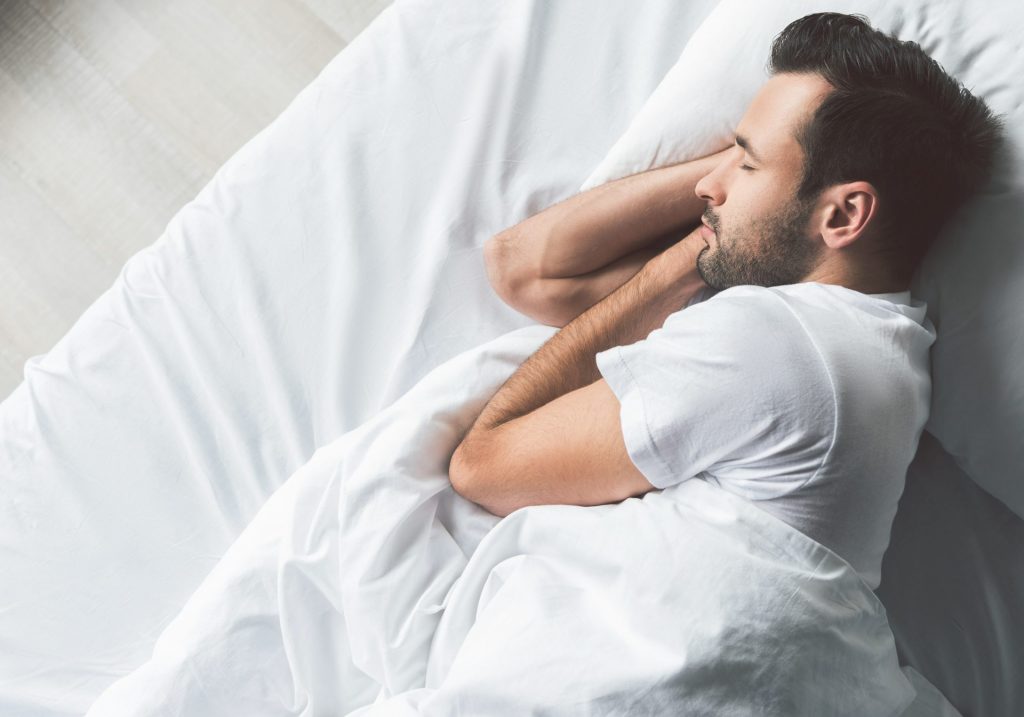
Waking Up Tired in McKinney? Your Sleep Position Could Be the Culprit
You set your alarm, you’ve got your eight hours, and you still feel like you never slept at all. If that sounds familiar, you’re not alone — Dr. Lawrence, our sleep dentist in McKinney, hears some version of this story every week from patients across Allen, Frisco, Prosper, Melissa, and Fairview.
For anyone dealing with snoring, restless nights, or diagnosed sleep apnea, the answer matters more than you’d expect. A simple shift from your back to your side can significantly improve how well your airway stays open throughout the night.
Are you curious whether your sleep position is holding you back? Call SleepRight McKinney at (972) 542-8400 to talk it through.
About Dr. Paul Lawrence and SleepRight McKinney
Rather than jumping straight to a one-size-fits-all recommendation, Dr. Lawrence takes time to understand each patient’s sleep habits, health history, and daily routine before mapping out next steps. That might mean a custom oral appliance, coordinated care with a physician, or simple positional coaching like what’s outlined above.
If you’ve been putting off dealing with your snoring or exhaustion, a conversation with Dr. Lawrence is a good place to start. His McKinney office is set up to make that first step easy, from scheduling to that very first appointment.
Why Your Sleep Position Matters So Much

Obstructive sleep apnea happens when the soft tissue at the back of your throat relaxes and collapses, blocking your airway while you sleep. Gravity has a lot to do with whether that collapse happens in the first place.
When you’re flat on your back, gravity pulls your tongue and soft palate downward, narrowing or fully closing off your airway. This is why snoring often gets louder — and apnea events more frequent — the moment someone rolls onto their back. Dr. Lawrence explains that this pattern, known as positional obstructive sleep apnea, shows up in a large percentage of the patients he sees at his McKinney, TX practice.
Back Sleeping: Usually the Worst Position for Sleep Apnea
Sleeping flat on your back (the supine position) is the position most consistently linked to worse apnea symptoms. Here’s what’s happening while you sleep:
- The tongue falls backward and narrows the airway
- Throat tissue is more likely to sag, vibrate, and trigger snoring
- Airway collapse happens more often and more severely
- Oxygen levels can dip repeatedly through the night, disrupting deep sleep
For a lot of Dr. Paul Lawrence’s patients, mild snoring turns into full-blown apnea the moment they roll onto their back.
Side Sleeping: The Better Choice for Most People
Sleeping on your side (the lateral position) is a go-to recommendation Dr. Lawrence gives to nearly every sleep apnea patient he treats. Here’s why it works:
- Gravity pulls the tongue and soft tissue away from the airway instead of into it
- Airway collapse happens far less frequently
- Snoring is typically much quieter
- Many patients see a real drop in their Apnea-Hypopnea Index (AHI) just from switching sides
Sleep specialists often point patients toward the left side specifically. Some research suggests it may ease acid reflux and support circulation slightly better than the right side — though the biggest win, by far, is simply staying off your back.
What About Stomach Sleeping?
Sleeping on your stomach can keep the tongue from falling backward, which sometimes makes it a slightly better option than back sleeping. That said, it tends to strain the neck and spine, and most people can’t hold the position for a full night. Dr. Lawrence generally steers patients toward side sleeping instead, reserving stomach sleeping as a fallback rather than a real fix.
How to Train Yourself to Stay on Your Side

Breaking a lifelong sleep habit takes some patience. Dr. Paul Lawrence recommends a few tried-and-true tricks patients have had success with:
- Positional Pillows: A wedge or body pillow helps keep you propped on your side through the night.
- The “Tennis Ball Trick”: Sew a tennis ball into the back of a pajama shirt. Rolling onto your back becomes uncomfortable enough to discourage it.
- Wearable Positional Therapy Devices: Small sensors gently vibrate when you shift onto your back, nudging you to roll over without a full wake-up.
- Knee or Body Pillows: Extra support and comfort make side sleeping feel more sustainable long-term.
Schedule a Sleep Apnea Evaluation with Dr. Paul Lawrence in McKinney, TX
If you snore heavily, wake up gasping, or drag through your day no matter how many hours you logged the night before, it’s worth finding out why. Dr. Lawrence helps patients figure out what’s really driving their sleep apnea and build a plan around it — whether that’s positional therapy, a custom oral appliance, or coordinated care with your physician.
Ready to sleep better? Call our McKinney sleep apnea office at (972) 542-8400 to schedule a complimentary sleep consultation.