


What Is Chronic Snoring, and How Do I Stop It?
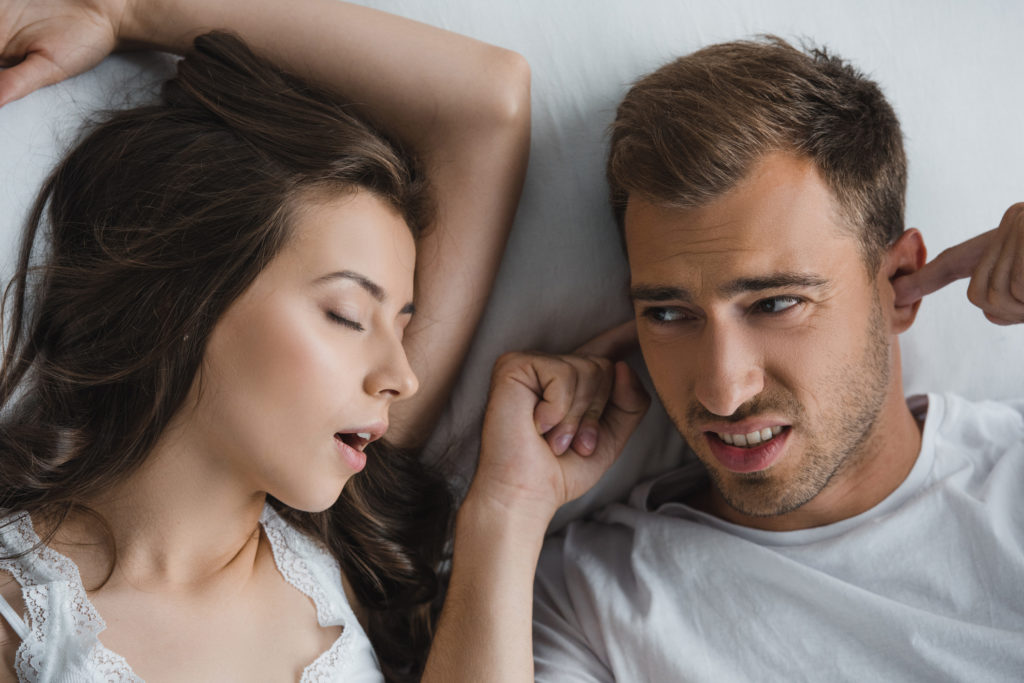
Chronic Snoring in McKinney: When It’s More Than an Occasional Habit
If you’re wondering whether your snoring is just an occasional habit or something more, you may be closer to an answer than you think. At SleepRight McKinney, Dr. Paul Lawrence evaluates patients experiencing nightly snoring, morning headaches, daytime fatigue, and other symptoms associated with sleep-disordered breathing.
Snoring that happens most nights, rather than once in a while, is worth a closer look, since it’s the number one sign of obstructive sleep apnea and can point to an airway issue that home remedies alone won’t fix.
Call SleepRight McKinney at (972) 542-8400 to schedule a free sleep consultation with Dr. Lawrence. Our McKinney office also welcomes patients from Allen, Frisco, Plano, Prosper, and Fairview.
What Is the Difference Between Occasional and Chronic Snoring?
Occasional snoring often has a temporary trigger. A stuffy nose, drinking alcohol before bed, sleeping on your back, or being unusually tired can contribute to a noisy night.
Chronic snoring happens regularly, often several nights a week or more. There is no single frequency that automatically establishes a medical diagnosis, but a persistent pattern is worth discussing with a healthcare provider, especially if it disrupts sleep or occurs alongside other symptoms.
Pay attention to these potential warning signs:
- Loud, Frequent Snoring: Your snoring regularly disrupts your partner’s sleep or can be heard outside your bedroom.
- Morning Headaches or Dry Mouth: You frequently wake with a headache, sore throat, or unusually dry mouth.
- Daytime Sleepiness: You struggle to stay alert even after what seems like a full night’s sleep.
- Gasping or Choking During Sleep: Your partner notices pauses in your breathing followed by snorting, gasping, or choking sounds.
 That last category matters most. Snoring on its own is just a sound. Snoring paired with those other symptoms is one of the clearest signs of obstructive sleep apnea (OSA), a condition where the airway repeatedly narrows or closes during sleep. Our full breakdown of snoring causes and symptoms goes deeper into how the two connect.
Why Chronic Snoring Doesn’t Resolve on Its Own
Short-term snoring often responds to short-term fixes: sleeping on your side, cutting off alcohol a few hours before bed, or treating a stuffy nose. Chronic snoring tends to be more stubborn because it’s usually rooted in something structural or ongoing, rather than a one-off cause. A few common underlying drivers:
- Airway anatomy. A naturally narrow airway, enlarged tonsils, or a recessed jaw can make the airway prone to collapsing every night, not just on bad nights.
- Weight and tissue laxity. Extra tissue around the neck and throat adds pressure on the airway that doesn’t go away between nights.
- Age-related muscle tone. Throat muscles naturally lose some tone over time, which is part of why snoring tends to worsen gradually rather than appear and disappear.
- Untreated sleep apnea. If the snoring is a symptom of OSA, it will keep happening—often getting louder—until the underlying airway obstruction is addressed directly.
This is the core reason chronic snoring usually needs more than a nasal strip or a new pillow: the cause is still there every single night.
A Quick Self-Check: Could This Be More Than Snoring?
Ask yourself honestly:
- Do I wake up with a dry mouth or sore throat most mornings?
- Do I get headaches first thing in the day?
- Has a partner mentioned that I seem to stop breathing, choke, or gasp during sleep?
- Am I tired during the day even after what should be a full night’s sleep?
- Have I noticed I grind my teeth at night, or has a dentist mentioned it?
These are the same symptoms Dr. Lawrence screens for, since teeth grinding, dry mouth, and gum changes are often visible clues a dentist can catch before a patient even realizes they’re connected to how they’re sleeping.
Can You “Train” Yourself Out of Chronic Snoring?
Not entirely, and it’s worth being direct about that. Lifestyle changes like side-sleeping, limiting alcohol before bed, staying hydrated, and managing weight can meaningfully reduce mild snoring, and they’re worth trying first.
But if the snoring is chronic, especially if it’s connected to sleep apnea, those changes alone typically won’t resolve it, because they don’t change the underlying airway anatomy that’s causing the obstruction night after night. That’s the point where a clinical option becomes worth exploring rather than another round of home remedies.
What Actually Stops Chronic Snoring
Treatment isn’t one-size-fits-all, and it depends on what’s driving your particular snoring. SleepRight McKinney offers a few different paths, each suited to different situations:
- Oral appliance therapy repositions the jaw and tongue to keep the airway open overnight. It’s often the starting point for patients who haven’t tolerated or wanted a CPAP machine.
- Laser snore therapy (NightLase®) uses laser energy to tighten the soft tissue in the throat and soft palate, which can reduce the vibration that causes snoring, without surgery or a nightly device.
- VIVOS takes a more structural approach for appropriate candidates, using a custom oral appliance to help reposition the jaw and open the airway over time.
Rather than guessing which approach fits, the first real step is a conversation. 
Why Discuss Chronic Snoring With Dr. Lawrence?
Dr. Paul Lawrence has practiced dentistry in McKinney since 2006 and is a member of the American Academy of Dental Sleep Medicine, the American Breathing and Sleep Academy, and the American Academy of Laser Dentistry. His practice offers consultations for patients who have questions about snoring, sleep apnea symptoms, and available treatment options.
During a consultation, you can discuss your symptoms, relevant medical history, and oral anatomy. If sleep apnea is suspected, appropriate sleep testing and coordination with a medical provider are the next steps. The goal is to understand what may be causing your symptoms and which options are appropriate for your situation.
Ready to Find Out What’s Behind Your Snoring?
If your snoring has moved from occasional to nightly, or if a partner has mentioned gasping or choking sounds, it’s worth getting an answer rather than more nights of guessing. Dr. Paul Lawrence and the team at SleepRight McKinney offer free consultations to help you understand exactly what’s going on and which option fits your situation.
Call our McKinney sleep apnea office at 972-542-8400 or schedule your free consultation online. We welcome patients from Allen, Frisco, Plano, and Prosper, TX.