


Why McKinney’s Allergy Season Can Make Sleep Apnea Feel Worse
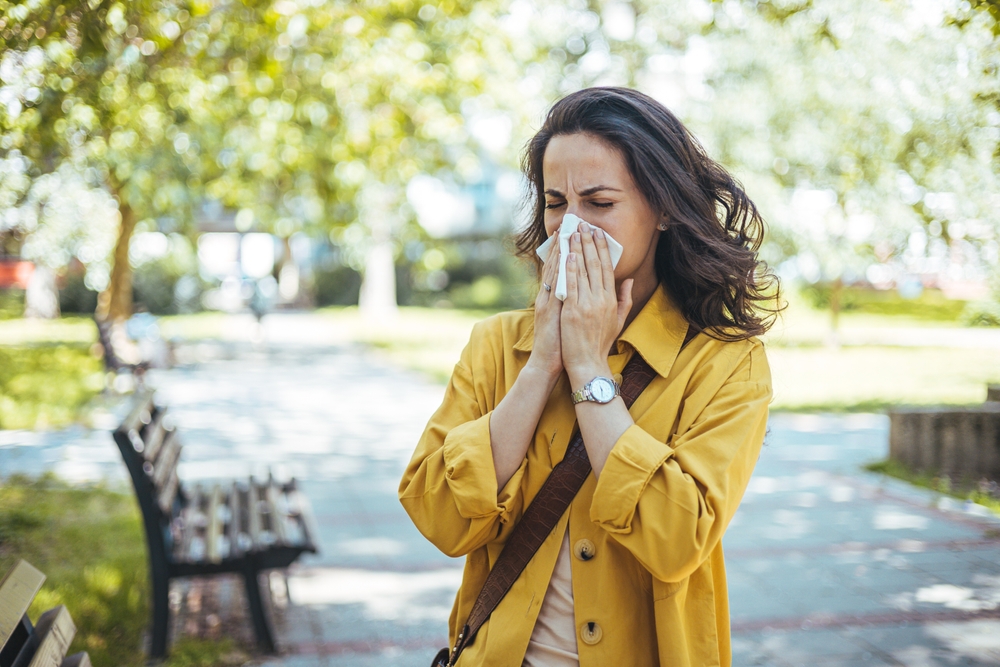
When North Texas Allergies Keep You Awake: Finding Relief Starts Here
Have you noticed that your sleep seems to get worse every spring or fall in McKinney, TX? While many people blame seasonal allergies for these changes, they may not realize that allergy-related inflammation can make sleep apnea symptoms feel more intense.
At SleepRight McKinney, Dr. Paul Lawrence helps patients understand the connection between allergies, airway health, and restorative sleep, offering compassionate care backed by years of experience in dental sleep medicine.
If restless nights have become part of your routine, now is the time to find answers. Call our sleep apnea dentist in McKinney at (972) 542-9129 to schedule a consultation with Dr. Lawrence. Whether you live in Allen, Frisco, or Plano, personalized sleep care is just a short drive away.
Personalized Sleep Care at SleepRight McKinney
Every patient’s airway is different. At SleepRight McKinney, Dr. Lawrence takes time to evaluate breathing patterns, oral anatomy, sleep habits, and symptoms before discussing treatment recommendations.
Patients appreciate having a provider who understands both dental health and sleep-related breathing disorders. This comprehensive approach helps uncover factors that might otherwise go unnoticed, particularly during allergy season when symptoms often become more pronounced.
Why McKinney’s Climate Creates Seasonal Challenges
North Texas is well known for dramatic seasonal pollen counts. Residents of McKinney, TX, frequently experience exposure to:
- Tree pollen during the spring
- Grass pollen throughout late spring and summer
- Ragweed during the fall
- Mold spores after periods of rain
- Wind-blown allergens from surrounding open spaces
Areas around Bonnie Wenk Park, Erwin Park, and neighborhoods bordering open fields may experience higher pollen exposure during windy days.
Dr. Lawrence frequently sees patients at SleepRight McKinney whose sleep changes dramatically during these seasonal transitions. Many initially believe their CPAP machine has stopped working when allergy-related congestion is actually making treatment feel different.
Nasal Congestion Makes the Airway Work Harder
When your nose becomes congested:
- Air struggles to move efficiently.
- Breathing requires more effort.
- Mouth breathing becomes more common.
- Dry mouth develops more easily.
- Sleep becomes lighter and more fragmented.
Sleep apnea already involves repeated airway collapse during sleep. Adding swollen nasal tissues to the equation can increase resistance throughout the airway.
Why CPAP May Feel Less Comfortable During Allergy Season
Many CPAP users become discouraged when seasonal allergies arrive.
Common complaints include:
- Feeling like the machine isn’t providing enough air
- Increased mask leaks because of mouth breathing
- Dry mouth despite humidification
- Frequent awakenings
- Difficulty falling asleep while congested
These concerns are common among patients visiting SleepRight McKinney during peak allergy months.
Dr. Lawrence works with patients to identify practical adjustments that improve comfort while continuing therapy. Sometimes, relatively small changes can make nightly treatment much easier during allergy season.
Poor Sleep Can Intensify Allergy Symptoms
The relationship works both ways.
Allergies disturb sleep, and poor sleep may influence how the body responds to inflammation.
After several nights of interrupted sleep, many people notice:
- Increased daytime fatigue
- Greater difficulty concentrating
- Lower energy levels
- Irritability
- Slower recovery from illness
Patients throughout McKinney often describe feeling caught in a cycle where allergies affect sleep, and poor sleep leaves them feeling less prepared to handle allergy symptoms the following day.
Mouth Breathing Can Create Additional Problems
When nasal breathing becomes difficult, many people naturally begin sleeping with their mouths open.
This can contribute to:
- Dry mouth
- Sore throat
- Increased snoring
- Less comfortable CPAP therapy
- Greater airway instability
Creating an Allergy-Friendly Bedroom
Reducing allergen exposure inside the home can support healthier sleep.
Helpful strategies include:
- Keeping windows closed during high-pollen days
- Using high-quality HVAC filters
- Washing bedding regularly in hot water
- Showering before bedtime after outdoor activities
- Keeping pets that spend time outdoors off the bed
- Vacuuming frequently using a HEPA-filter vacuum


Many patients at SleepRight McKinney notice improved sleep simply by reducing pollen inside the bedroom.
When Sleep Apnea Symptoms Suddenly Get Worse
If your sleep quality changes dramatically during allergy season, don’t assume it’s something you simply have to tolerate.
Dr. Lawrence recommends paying attention to symptoms like:
- Louder snoring
- Morning headaches
- Increased daytime sleepiness
- Difficulty tolerating CPAP therapy
- Dry mouth every morning
Reclaim Your Nights and Protect Your Health
Imagine waking up feeling truly refreshed, clear-headed, and ready to embrace the day without the constant fog of exhaustion holding you back.
Dr. Lawrence is deeply dedicated to helping our neighbors reclaim their health, vitality, and peace of mind through life-changing dental sleep care. We welcome families from Allen, Frisco, and Plano to take the first step toward a healthier tomorrow. Call our McKinney sleep office at (972) 542-9129 to schedule your consultation.